

Warehouse loss sounds small on paper. Just 0.2% of total inventory, on average. But that number masks a much bigger problem. As e-commerce and retail keep growing, theft, fraud, and damage are climbing fast. Reports project shrinkage will top $362 billion by 2028.
For businesses storing special inventory, the risk hits even harder. High-value, fragile, and regulated goods cost far more to lose than standard stock. Yet most warehouses are not built to protect them.
The problem is that special inventory is often forced into general-purpose facilities that treat every product the same way. That mismatch is where the losses start, and they rarely show up until the damage is already done. This blog breaks down what special inventory actually is, the handling challenges it creates, and the kind of warehousing setup that keeps it safe, compliant, and profitable.
What Are the Different Types of Warehouses and What They Store
The warehouse type you choose shapes everything from how your products are stored to whether they stay compliant, intact, and ready to ship.
Here are the most common types of warehouses and what each one is built to handle:
General Warehouse
A general warehouse stores everyday goods like retail products, packaged consumer items, and raw materials waiting to enter production. These facilities are built for volume and work best when stock is predictable and uniform. They are not designed to accommodate products that fall outside standard handling or storage conditions.
Distribution Center
A distribution center is built for speed. Goods arrive, get sorted, and ship out quickly to retailers or customers. The priority here is order fulfillment and throughput, not careful, purpose-built storage. Distribution centers rarely have the climate controls, secure zones, or specialized equipment that sensitive or regulated products demand.
Private Warehouse
A private warehouse is owned or leased by a single company. This type of warehouse gives businesses direct control over layout, staffing, and inventory management. The tradeoff is the cost. A private warehouse requires significant capital investment upfront and ongoing operational responsibility, which is why many growing businesses outsource to a custom warehouse partner instead.
Cold Storage Warehouse
Cold storage warehouses are built for temperature-sensitive products like pharmaceuticals, perishable food, and certain chemicals. These facilities rely on precise climate control, and even a brief deviation can lead to product loss or regulatory penalties. The infrastructure, monitoring systems, and trained staff make them very different from general storage.
Each warehouse type exists because certain products cannot be stored just anywhere. And knowing where special inventory belongs starts with understanding what each facility is built to handle.

The Biggest Inventory Handling Challenges for Non-Standard Products
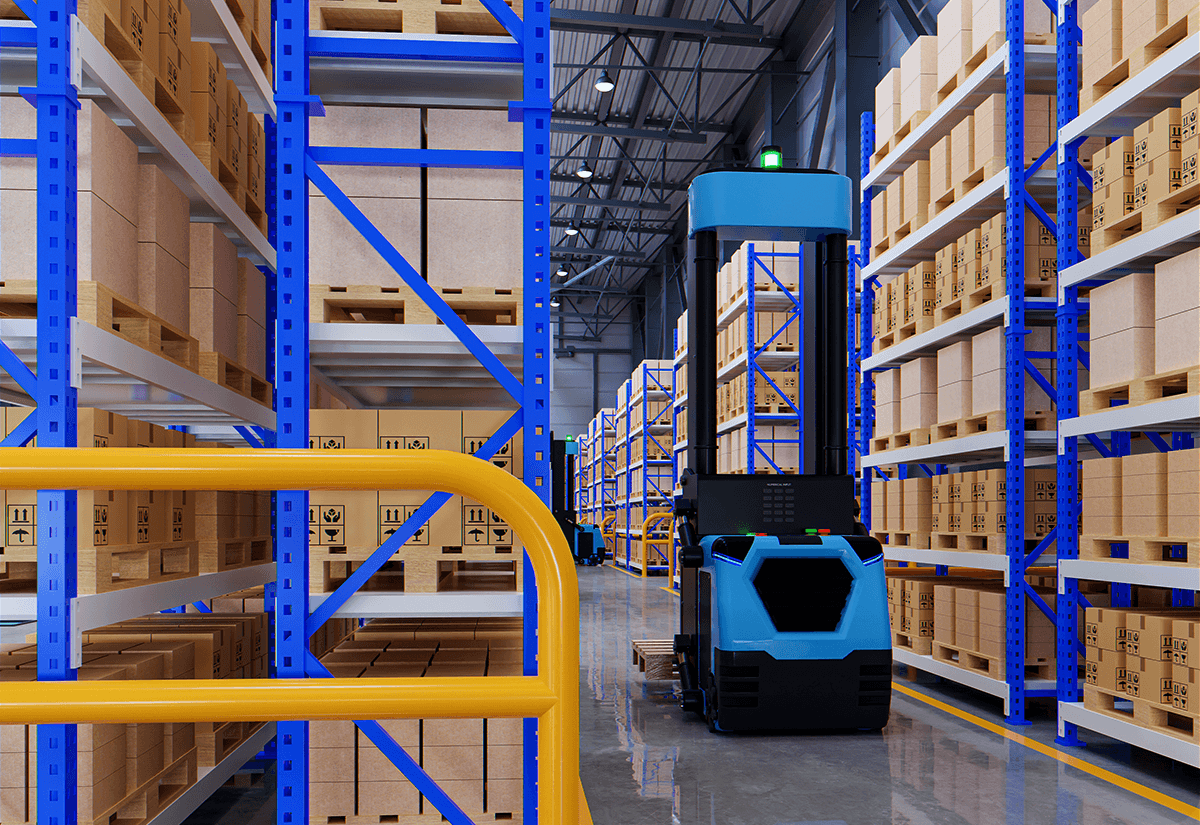
Inventory handling gets complicated the moment a product breaks from standard dimensions, weight, or storage requirements. Most warehouses are designed around pallet-sized goods. But special inventory rarely fits that mold.
Common Problems with Non-Standard Goods
- Oversized items like industrial machinery need floor space and custom rigging.
- High-value goods such as electronics or aerospace components require secure zones and detailed chain-of-custody tracking.
- Temperature-sensitive products face cold chain risks because even a short break can render an entire shipment unsellable.
- Fragile or oddly shaped goods can be damaged by standard forklifts and conveyors, especially without trained handlers.
- Returns and reverse logistics demand inspection workflows that general warehouses are not built to support.
Businesses dealing in medical devices, automotive parts, specialty chemicals, and seasonal merchandise face these challenges every day. When inventory handling is forced through a general-purpose process instead of a custom warehouse workflow, it usually results in damaged stock, missed shipments, and frustrated customers.
Why Special Inventory Needs a Dedicated Warehousing Strategy
A general-purpose warehouse can absorb the occasional non-standard item. But running an entire operation on special inventory through that same setup creates ongoing friction. And that gets expensive fast.
Dedicated warehousing means the facility and the team are all aligned around the product’s actual requirements.
That means:
- Climate-controlled zones maintain stable temperatures.
- Secure cages protect high-value goods.
- Specialized racking accommodates unusual shapes and weights.
- And workers are trained on the specific protocols each product line demands.
Over time, the dedicated approach pays for itself through fewer write-offs, fewer customer complaints, and stronger customer trust.
How a Custom Warehouse Setup Protects Your Special Inventory
A custom warehouse setup is really about matching the physical space, the technology, and the workflow to what the inventory actually needs.
For a company handling oversized industrial equipment, a custom warehouse setup might include reinforced flooring, overhead cranes, and dedicated outdoor staging yards.
In-House vs. Outsourced: A Quick Comparison
Here’s a quick comparison of in-house vs. outsourced warehousing to help you evaluate what suits your inventory needs.
| Factor | In-House Setup | Outsourced Partner |
|---|---|---|
| Upfront cost | High capital investment | No facility investment |
| Time to launch | Months to years | Often weeks |
| Scalability | Limited by owned space | Flexible with demand |
| Specialized expertise | Must be hired and trained | Already in place |
The flexibility of a custom approach also supports growth. Special inventory volumes often shift with seasonal demand or regulatory changes. A purpose-built setup can scale up or reconfigure faster than a general warehouse. And usually, that keeps your operation from getting stuck with the wrong infrastructure.
Outsourcing removes the upfront investment while still giving the business full visibility into how its products are stored and moved.
Get Special Inventory Handled the Right Way
Special inventory needs the right warehouse type and a custom warehouse setup that protects the product.
Supply Chain Solutions helps businesses manage special inventory with flexible warehousing built around your specific products and requirements. Whether you need secure storage, climate control, or specialized handling, our team brings the clarity and reliability your operation depends on. Contact our team to discuss your warehousing needs.
