

Getting the most out of your delivery network starts with smarter route design – but it’s more than just saving miles. With the right strategy, you can reduce fuel waste, improve reliability, and increase customer satisfaction all at once. That all starts with identifying the best shipping route for your operation.
Here’s why that matters: fuel is one of the biggest expenses in transportation, and it adds up fast. According to recent research, route optimization can reduce fuel costs by as much as 20%, making it a powerful lever for cutting costs while boosting efficiency.
In this blog, we’ll walk you through practical strategies that boost route efficiency, minimize risk, and support delivery routes that scale as your business grows, drawing insights not only from domestic freight but also from international trade hubs and global shipping lanes where prediction, planning, and precision are everything.
Optimizing Your Primary Shipping Route for Maximum Efficiency
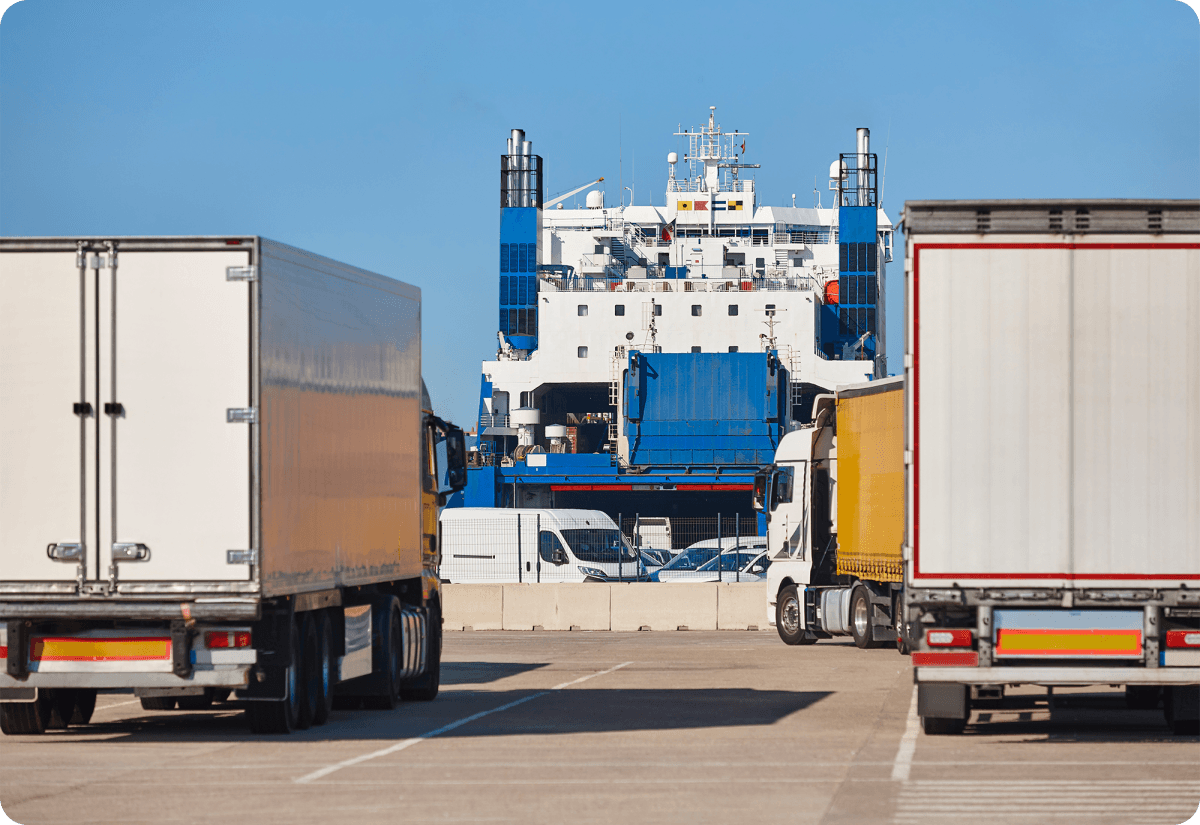
In global maritime operations, the efficiency of a shipping route can impact everything from transit time to fuel consumption. Just like major shipping routes across the oceans and seas must account for shipping traffic and port congestion, your ground-based delivery strategy must also consider the most cost-effective and time-efficient transport paths.
Here are the core techniques that can boost the efficiency of your shipping route:
- Load Consolidation: Combine multiple shipments into a single trip to maximize vehicle space and reduce fuel usage.
- Multi-Stop Sequencing: Strategically plan drop-offs to follow the most efficient stop order, reducing unnecessary mileage.
- Zone-Based Routing: Organize deliveries by geographic zones to simplify navigation and improve scheduling accuracy.
- Transit Time Awareness: Balance speed with cost by selecting routes that optimize driving hours while avoiding congestion.
- Maritime-Inspired Strategy: Just like container ships, bulk carriers, and tankers follow optimized lanes across oceans, your fleet should follow pre-planned, efficient paths to lower operating costs.
Every well-planned shipping route puts you in a better position to serve customers on time and under budget. Getting this first step right sets the tone for your entire logistics operation.
Conducting a Thorough Route Risk Assessment to Prevent Problems
Before improving route efficiency, it’s important to uncover the hidden risks that might disrupt your plans. A strong shipping strategy doesn’t just focus on speed—it anticipates challenges like traffic congestion, poor road conditions, or recurring disruptions that can slow progress and increase costs.
This is where a thorough route risk assessment becomes essential. It helps you proactively identify vulnerabilities and plan around them, giving you the power to respond quickly and confidently when issues arise.
Here’s how to conduct a route risk assessment the right way:
Step 1: Study Traffic Patterns
Use historical and live data to avoid bottlenecks, identify patterns, and adjust routes around high-congestion zones. Understanding when and where traffic builds up helps prevent unnecessary delays.
Step 2: Evaluate Road Conditions
Check for seasonal hazards, construction areas, and low-clearance routes. These elements can slow down or even block your shipments if not accounted for in advance.
Step 3: Analyze Delivery Timing Windows
Match driver routes with customer availability to avoid failed drop-offs. Optimizing delivery timing improves customer satisfaction and route reliability.
Step 4: Review Disruption History
Look at past service interruptions, from weather to closures, that may repeat. Patterns in past delays can guide better planning for future routes.
Step 5: Score and Map Risk Areas
Assign a risk score to each segment of the route and build backup options in high-risk zones. This makes it easier to reroute quickly when trouble arises.
The better your route risk assessment, the easier it is to prevent delays and manage costs. Integrating route risk assessment into your regular planning process gives you more control and confidence across every route.
Proven Strategies to Avoid Shipping Delays and Maintain Schedules
Shipping delays cost money and damage customer trust. That’s why every logistics team should be focused on finding new ways to avoid shipping delays and improve on-time performance. Whether you’re managing local deliveries or national fleets, the ability to avoid shipping delays is essential to meeting expectations.
Use these proven strategies to avoid shipping delays and stay on track:
- Add Buffer Time: Build time into your routes for loading, traffic, or unexpected stops.
- Plan Alternative Routes: Always have one or two rerouting options in case of disruptions.
- Use Real-Time Monitoring Tools: Let dispatch and drivers adjust routes on the fly with GPS, route optimization software, and traffic apps.
- Time Your Departures Right: Avoid peak traffic hours by launching at optimal times.
- Communicate with Customers: Keep them informed of expected arrival times and changes to reduce complaints.
These small steps help avoid shipping delays, improve schedule reliability, and reduce costly last-minute changes. Making these strategies part of your daily routine can significantly reduce shipping delays and keep customers satisfied.
Designing Reliable Delivery Routes That Scale with Your Business
Designing reliable delivery routes is critical to keeping operations efficient as your company scales. As demand increases, a strong route structure helps you maintain service quality while avoiding unnecessary costs. Your strategy should balance workload, minimize overlap, and allow for growth without overloading your current infrastructure. As delivery expectations increase, inefficient routing can quickly impact costs, delivery speed, and customer satisfaction.
Here’s how to design a delivery network that scales:
| Strategy | Pros | Cons |
| Territory Planning | Reduces overlap and driver fatigue | Needs regular updates as demand shifts |
| Driver Allocation | Balances workload and improves service speed | May require new hires or scheduling systems |
| Technology Integration | Automates planning and boosts visibility | Upfront investment in tools and training required |
| Route Optimization Software | Continually improves efficiency over time | Must be updated and monitored to stay effective |
Building smart delivery routes with growth in mind ensures that efficiency improves as volume increases. As you expand, reevaluating each shipping route becomes essential to keep service consistent.
The Role of Technology and Data in Route Optimization
Modern route optimization goes beyond manual planning and static routes. Technology and data now play a critical role in improving visibility, efficiency, and day-to-day decision-making.
Key applications include:
Improving Route Planning and Visibility
Technology allows logistics teams to plan routes more accurately and monitor them in real time. Tools such as GPS tracking, route optimization software, and live monitoring systems provide better visibility and help teams respond quickly to changes in traffic, demand, or delivery conditions.
Enabling Smarter, Data-Driven Decisions
Data helps teams move from reactive to proactive planning. By analyzing historical trends and combining them with real-time inputs, logistics teams can identify patterns, anticipate disruptions, and continuously improve route performance.
Supporting Efficiency and Business Performance
When used effectively, technology and data help reduce costs, improve delivery timelines, and maintain consistent service levels. This allows companies to scale operations more efficiently and stay competitive as demand increases.
These improvements become even more important in operations where timing is critical. In some cases, delivery delays can impact production and overall business performance.
Route Optimization in Time-Sensitive Operations
In time-sensitive environments, deliveries must arrive exactly when needed to avoid disruptions. This is especially important in operations like Just-in-Time (JIT) manufacturing, where delays can impact production and increase costs.
Route optimization helps support these operations by improving delivery accuracy, reducing delays, and ensuring shipments move according to schedule. With better planning and real-time adjustments, logistics teams can maintain consistency and keep operations running smoothly.
Turn Your Delivery Routes into a Competitive Edge
We understand how frustrating it can be when delivery routes are inefficient, unpredictable, or unable to scale with demand. Even small delays or detours can ripple through your operations and affect customer satisfaction.
At Supply Chain Solutions , we help logistics teams take control of their routing strategy. From smarter planning and accurate risk assessment to scalable delivery design, we implement solutions that improve efficiency and keep operations running smoothly.
If your current routing approach is limiting performance, it may be time for a better strategy. Let’s build a delivery network that reduces costs, improves reliability, and supports your growth.
