

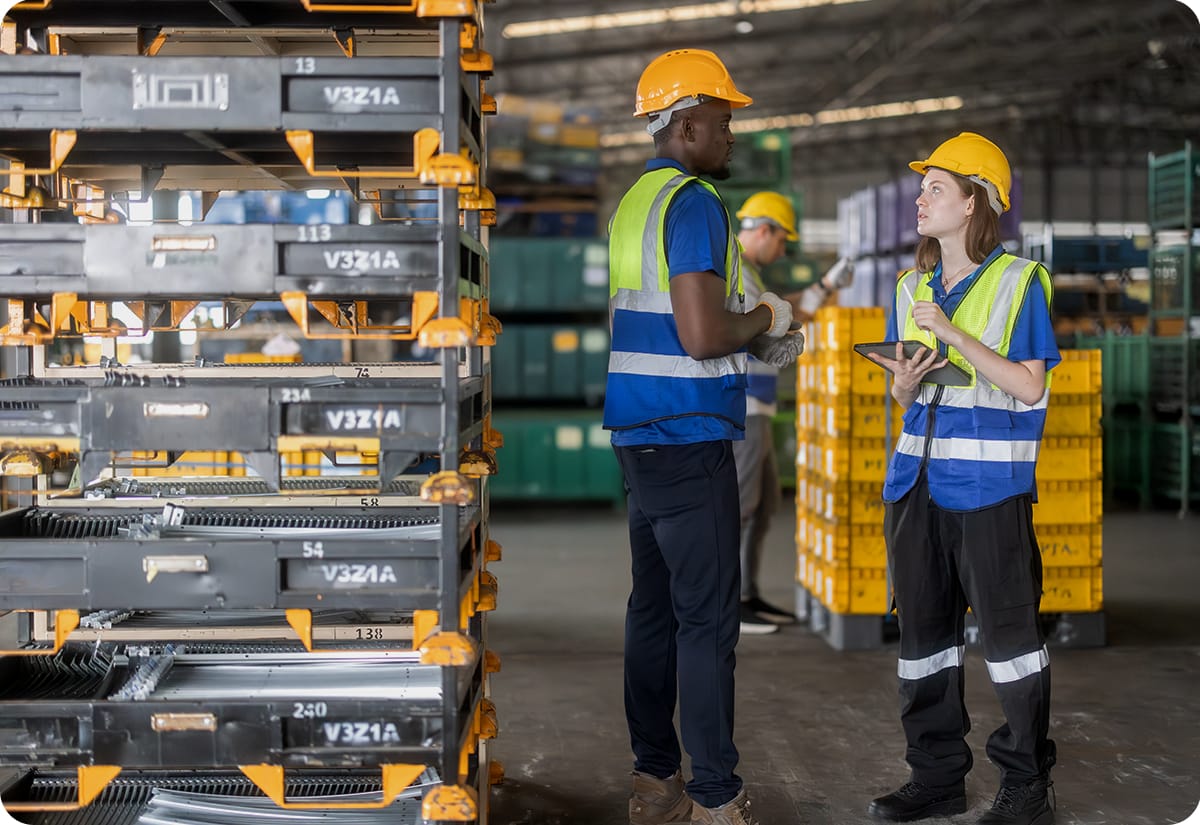
Planning the right warehouse dimensions is one of the most important steps in building smooth and scalable operations. Recent research shows that improving warehouse layout and storage configuration can increase overall storage capacity by about 45% compared to traditional setups. This kind of optimization strengthens daily flow, reduces handling time, and helps teams work more efficiently.
When the physical layout supports efficient movement and smart storage flow, teams work faster, reduce errors, and keep daily tasks stable. Poor warehouse dimensions can slow down picking, limit storage capacity, and increase long-term costs by wasting usable space and restricting future expansion. Thoughtful planning gives businesses room to grow while keeping operations simple and manageable.
This blog explains how warehouse dimensions, slotting optimization, and practical planning all work together to create flexible warehousing that supports long-term growth and quick changes in demand.
Why Warehouse Dimensions Matter for Long-Term Efficiency
Strong warehouse dimensions set the foundation for smooth operations by improving walking paths, storage flow, and equipment movement. When warehouse dimensions match product volume and activity levels, teams avoid congestion and reduce slowdowns.
Good planning also helps companies scale because the right warehouse dimensions make future layout changes easier and less costly. These choices support long-term stability and prepare the operation for a more flexible warehousing setup by helping your business match space requirements, assess inventory needs, and plan total square footage based on product size and available space.
How Slotting Optimization Improves Warehouse Space Utilization
Slotting optimization helps companies use space more wisely and improve picking accuracy by aligning storage space with product movement, reducing waste space, and ensuring every square foot contributes to streamlined operations.
Here’s how it supports a stronger layout:
- Place fast-moving items in easy-to-reach areas – This approach cuts travel time and helps slotting optimization improve productivity.
- Group products by weight or handling method – Smart grouping makes slotting optimization safer and more efficient for lifting and stacking.
- Use data to decide where each item should go – When teams rely on scans, movement reports, and demand history, slotting optimization becomes more precise.
- Keep slow-moving items in higher or distant locations – This protects space for high-activity goods and strengthens slotting optimization results.
- Review placement every few months – Regular updates make sure slotting optimization supports new product lines and changes in demand.
- Align slotting adjustments with warehouse dimensions – When both work together, space is used better, and the operation becomes easier to manage.
When these methods are applied consistently, slotting optimization becomes a powerful driver of accuracy, speed, and long-term space efficiency. It also strengthens overall layout design by helping teams make better use of every square foot.
A Warehouse Planning Guide for Smarter Space Design
A clear layout planning guide helps teams design layouts that reduce waste and support fast movement by showing teams how to calculate space needs, determine the total storage capacity in cubic feet, and plan layout designs that fit business needs. Below is a simple sequence to follow:
Step 1: Map product flow
A strong facility planning guide begins by tracking how items enter, move through, and exit the building.
Step 2: Measure your space carefully
Accurate dimensions make the space-planning guide more reliable for planning aisles, equipment zones, and storage areas.
Step 3: Match storage types to product needs
This step ensures the warehouse planning guide supports shelves, racks, or pallet systems that fit each product type.
Step 4: Reduce unnecessary travel paths
Removing long routes helps the warehouse planning guide improve picking time and reduce worker fatigue.
Step 5: Leave room for future growth
Adding flexibility makes the warehouse planning guide useful for years as product lines expand, especially when growing businesses need additional storage, better access to loading docks, or cost-effective storage solutions that suit your business needs.
Step 6: Connect your planning with slotting optimization
A complete warehouse planning guide works better when item placement matches actual movement patterns.
When all these steps work together, the warehouse planning guide becomes a strong foundation for long-term efficiency and smooth daily operations. This unified approach also makes it easier to adapt layouts as your space requirements change over time.
How to Maximize Flexible Warehousing to Support Business Growth
Flexible warehousing becomes even more valuable when operations need to adapt to changing order volumes and varying space requirements. Building flexible warehousing helps companies adjust quickly when demand shifts. This table shows how it supports growth:
| Pros | Cons |
| Makes it easier to adjust layouts and storage zones | May require new planning tools |
| Supports fast response during demand spikes | Some changes need staff training |
| Helps optimize space without major cost | Not all old designs adapt easily |
| Strengthens long-term planning and scalability | May require temporary layout changes |
When teams commit to flexible warehousing, they gain room to change processes without major investment. The best designs link flexible warehousing with clear warehouse dimensions so spaces can adjust fast. With the right structure in place, flexible warehousing becomes a long-term strength rather than a short-term fix because it helps teams store goods efficiently, manage office space used for storage, and use vertical space and distance from the floor to increase total storage.
Many companies use flexible warehousing to test new product lines or seasonal storage needs, optimize space planning, navigate challenges related to much space or limited usable space, and streamline operations to improve logistics flow. As demand shifts, flexible warehousing helps the operation stay efficient without major redesigns.
Build a Smarter, More Adaptable Warehouse Layout
We understand how challenging it can be to design a space that keeps up with daily demands while preparing for future growth. That’s why Supply Chain Solutions helps teams plan the right warehouse dimensions, apply effective slotting optimization, and create layouts that actually work in fast-changing environments. Our experts guide you through practical steps that improve efficiency and support flexible warehousing without major capital investment.
If you’re ready to design a space that grows with your business, contact us today to get started.
