

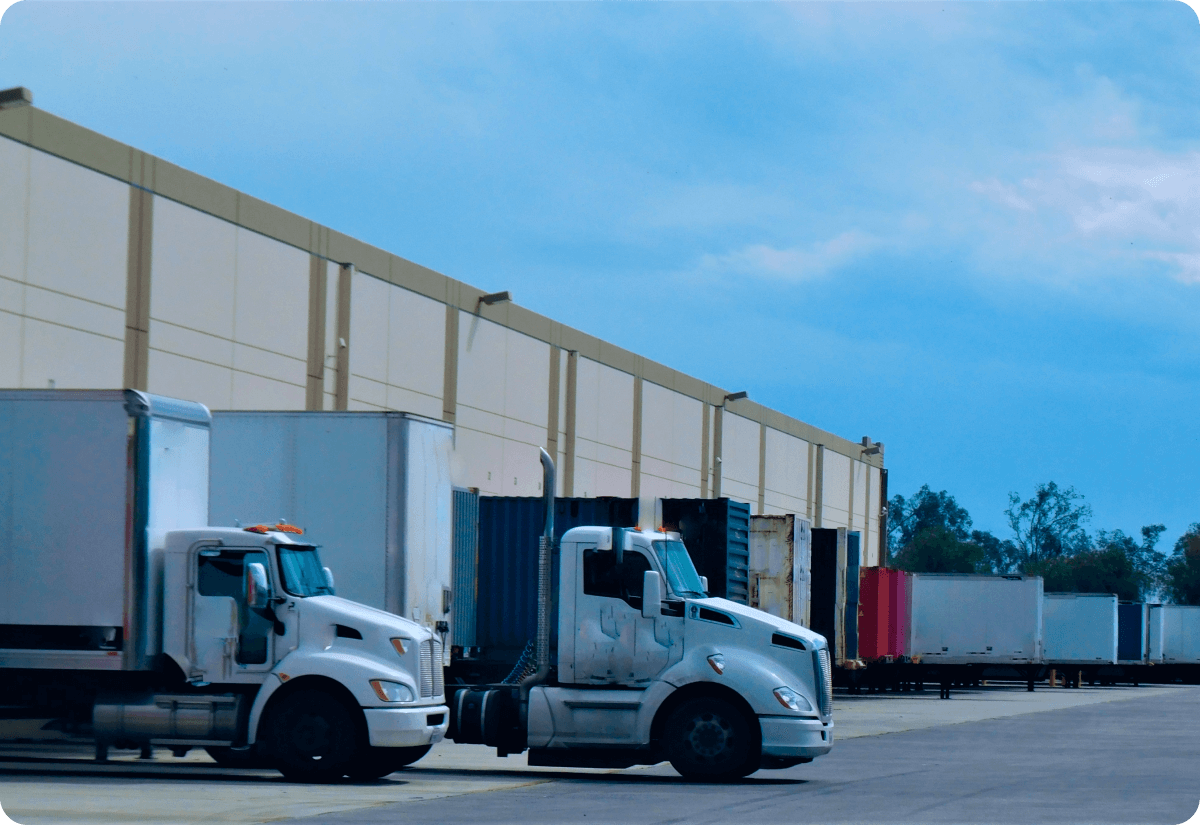
Startups thrive on agility and customer satisfaction. But as they grow, managing orders, inventory, and deliveries can become overwhelming. That’s where fulfillment services for startups come in.
With same-day and instant delivery services projected to account for 20% to 25% of the market by 2025, startups that integrate these capabilities can enhance customer satisfaction and retention. Outsourcing distribution allows businesses to scale without logistical headaches.
Let’s explore how ecommerce fulfillment, warehouse operations, and cost-effective solutions fuel startup growth. Ecommerce fulfillment plays a crucial role in ensuring businesses efficiently manage logistics and meet growing customer demand.
Why Fulfillment Services for Startups Are Key to Success
Startups and small businesses often struggle with logistics due to limited resources, lack of expertise, and the challenges of keeping up with increasing order volumes.
Managing order processing, inventory storage, and shipping in-house can quickly become overwhelming. Fulfillment services for startups help avoid delays, errors, and high operational costs. Without a dedicated logistics strategy, startups risk inefficiencies that harm customer satisfaction and profitability.
Here’s why outsourcing distribution is a game-changer:
- Faster Delivery Times – Professional distribution centers streamline order processing, ensuring customers receive their products quickly with a high accuracy rate.
- Cost Savings – Renting a warehouse and hiring staff can be expensive. Outsourcing reduces overhead costs, including storage fees and shipping costs.
- Scalability – Fulfillment services for startups grow with your business, managing peak sales periods efficiently.
- Better Customer Experience – Reliable shipping and easy returns improve customer satisfaction and loyalty, helping online marketplaces and ecommerce stores thrive.
- Operational Efficiency – Partnering with an order distribution provider ensures seamless integration with inventory management systems, reducing errors and streamlining logistics.
A strong distribution strategy gives startups a competitive edge, allowing them to focus on innovation and customer acquisition instead of logistics challenges. It ensures businesses efficiently manage inventory, process orders, and scale operations without logistical complexities.
How Ecommerce Fulfillment Helps Startups Meet Demand
Ecommerce fulfillment is essential for startups aiming to provide seamless shopping experiences for their customers. By integrating efficient ecommerce fulfillment solutions, businesses can enhance order accuracy, reduce delays, and improve overall customer satisfaction.
Below is a detailed breakdown of the process:
Step 1: Receiving Inventory
Products arrive at the distribution center from suppliers or manufacturers. The center inspects the shipment for accuracy and quality before logging it into their system, ensuring inventory is correctly accounted for and ready for storage.
Step 2: Storage & Inventory Management
Once received, products are strategically stored in a warehouse. Advanced inventory management systems track stock levels in real time, helping businesses prevent stockouts and overstocking while optimizing storage fees.
Step 3: Order Processing
When a customer places an order, the distribution center system selects the correct items. Orders are picked, securely packed, and labeled for shipment. Automated systems minimize errors and improve accuracy.
Step 4: Shipping & Delivery
Once packed, orders are dispatched via carriers like FedEx, UPS, or USPS. Optimized shipping routes ensure timely delivery, balancing speed and cost. Customers receive tracking updates for real-time monitoring.
Step 5: Returns Handling
If a customer requests a return, the distribution center manages it efficiently. Returned products are inspected before being restocked, refurbished, or disposed of. A smooth return process enhances customer satisfaction and trust.
By leveraging ecommerce fulfillment, startups can focus on product innovation and marketing rather than logistics. A well-structured system ensures businesses scale efficiently while maintaining high service standards.
The Role of Warehouse Operations in Startup Logistics
Warehouse operations are crucial to ensuring a smooth supply chain. They impact how efficiently products move from storage to shipment, affecting costs, order accuracy, and customer satisfaction.
Proper inventory management keeps stock organized, prevents errors, and reduces processing times. Additionally, well-managed warehouse operations enable businesses to scale effectively, especially during peak demand.
Below is a comparison of in-house vs. outsourced warehouse operations:
| Feature | In-House Warehouse | Outsourced Warehouse |
| Upfront Costs | High (rent, equipment, staff) | Low (no need for direct investment) |
| Scalability | Limited (space and staff constraints) | High (can handle peak demand) |
| Technology Access | Requires investment | Advanced systems included |
| Time Management | Time-consuming | Allows startups to focus on growth |
| Flexibility | Requires long-term contracts | Short-term agreements available |
Outsourcing warehouse operations helps businesses operate efficiently without the burden of managing physical storage and tracking inventory.
A well-managed warehouse streamlines logistics, prevents stock discrepancies, and enhances workflow efficiency. Prioritizing optimized warehouse operations leads to better order accuracy, fewer errors, and reduced operational costs.
Before choosing a partner, it’s helpful to understand the key differences between warehouses and fulfillment centers.
Understanding Warehouses vs. Fulfillment Centers
While warehouses and fulfillment centers may seem similar, they serve very different purposes. Warehouses are mainly designed for long-term storage, while fulfillment centers manage the entire order process from storage to shipping.
Key Differences to Know:
Main Function
Warehouses focus on storing products in bulk, while fulfillment centers handle receiving, storing, picking, packing, and shipping orders to customers.
Technology
Warehouses typically rely on basic inventory tracking, whereas fulfillment centers use advanced software, automation, and integrations with e-commerce platforms.
Labor
Warehouses involve minimal handling of products until they are shipped in bulk. Fulfillment centers require more labor to pick and pack individual orders.
Best Use
A warehouse works best for businesses that need to store large amounts of inventory for extended periods. A fulfillment center is ideal for startups or ecommerce brands that need fast, accurate order processing and shipping.
Once you understand the difference, it’s time to review what most fulfillment centers require from small businesses.
Typical Fulfillment Center Requirements for Small Businesses
Fulfillment providers often have basic requirements to ensure smooth operations and accurate inventory management.
Common Requirements:
- Minimum monthly order volume or storage commitment.
- Accurate SKU data with barcodes and product labeling.
- Integration with your ecommerce or order management system.
- Clear shipping preferences and return handling instructions.
If you’re considering in-house storage, it’s important to understand the typical costs of running a warehouse—especially when weighing it against fulfillment services for startups.
What Does a Warehouse Typically Cost for Small Businesses?
Operating a warehouse involves a mix of fixed and variable expenses that can quickly add up for small businesses. From rent and utilities to staffing and equipment, the overhead can be significant. For many entrepreneurs, fulfillment services for startups present a more scalable and cost-effective alternative to managing warehousing in-house.
Typical Warehouse Costs Include:
- Rent or Lease Fees – Monthly charges for space.
- Labor Costs – Staff wages for inventory handling and operations.
- Utilities and Equipment – Forklifts, shelving, and energy expenses.
- Technology Investments – Inventory software, scanners, and tracking tools.
Types of Fulfillment Services Available for Startups
Fulfillment services come in several flavors. Choosing the right model helps you control costs, maintain quality, and scale at your own pace. Here’s a quick look at the main options:
In-House vs. Third-Party Logistics (3PL)
Handle everything yourself—from shelving to shipping. With 3PL, you send inventory to a partner who picks, packs, and ships. Startups often move to 3PL as orders grow.
Dropshipping Services
No inventory needed: orders go straight to your supplier, who ships to customers. Ideal for low-risk product tests or niche offerings.
Subscription Box Fulfillment
Experts kit, ship, and manage recurring orders and returns. Keeps monthly or quarterly boxes on time without extra effort.
White-Glove & Pick-Pack Services
White-glove adds inspection, custom packaging, and inserts. Pick-pack uses local packers for fast, flexible order fulfillment.
Startups in different fields have unique needs—industries like D2C retail, subscription boxes, crowdfunded products, and B2B sample kits often gain the most from fulfillment services.
Choosing the right model is only part of the picture. The best fulfillment partners go beyond picking and packing to add real value to every order.
Value-Added Services That Turn Fulfillment Into a Growth Lever
Fulfillment isn’t just about getting boxes out the door efficiently. It’s an opportunity to add value with every shipment a startup sends out. From branded packaging to real business insights, the right fulfillment partner can do more than ship orders. Here’s what to look for.
Many fulfillment providers offer value-added services like branded packaging, kitting, and tailored subscription box assembly. These extras let startups present a polished, memorable experience without stretching their own resources. Assembling product kits for a crowdfunding campaign and adding personalized inserts for a subscription box are both examples of finishing touches that help a brand stand out and keep customers coming back.
Working with a fulfillment partner often delivers more than hands-on help too. Many providers offer insights into shipping costs and customer order patterns, giving startups the data they need to tweak strategies and spot what’s working.
These added touches turn fulfillment into more than a back-office function. They become a genuine growth lever for a startup’s brand and strategy.
Once you’ve picked a fulfillment model, the next decision is whether to use a single fulfillment center or multiple locations.
Choosing Between Single and Multiple Fulfillment Centers
The number of fulfillment centers you use affects shipping costs, delivery speed, and inventory distribution. For those exploring fulfillment services for startups, strategically choosing the right number of centers can significantly improve efficiency and customer satisfaction.
| Factor | Single Fulfillment Center | Multiple Fulfillment Centers |
| Costs | Lower operational costs | Higher costs due to multiple locations |
| Delivery Speed | May take longer for distant customers | Faster delivery to more regions |
| Inventory Management | Easier to track and manage | Requires careful stock distribution |
| Scalability | Limited by one location | Easily expands with demand |
Now, let’s look at the industries that benefit most from fulfillment services for startups.
Industries That Can Benefit from Fulfillment Services for Startups
Outsourced fulfillment drives efficiency in many verticals. Here are four areas where startups often see the greatest return:
- Direct-to-Consumer Retail: Fast delivery and polished packaging boost brand image.
- Subscription Products: Reliable monthly shipping keeps churn low and customer value high.
- Crowdfunded Launches: Handle sudden spikes in pre-orders without temp staff.
- B2B Sample Kits: Quick delivery of samples smooths the trial process and spurs repeat orders.
Industry fit matters, but it’s only half the equation. What a startup actually sells often shapes the right fulfillment fit just as much.
Matching Your Product Type to the Right Fulfillment Partner
Industry fit is only part of the equation. What a startup actually sells matters just as much when choosing a fulfillment partner. Not every provider is set up to handle every kind of product. Here’s what to look for based on what you ship.
Some fulfillment partners specialize in handling small, lightweight items, while others excel at managing bulky equipment, fragile goods, or high-value shipments. Startups selling food, apparel, or anything requiring custom packaging need a partner with the right experience and infrastructure for that category. The right fit means products arrive intact, not damaged or delayed.
Matching product requirements with a provider’s expertise turns fulfillment into a true growth lever instead of a recurring risk.
Signing up is just the beginning. A clear onboarding process—covering setup, testing, and go-live—ensures your first orders ship smoothly and avoids costly delays.
Now, let’s walk through the onboarding and integration process to ensure your systems connect smoothly.
Onboarding and Integration Process for Fulfillment Services
A clear onboarding roadmap for fulfillment services for startups ensures your first orders ship without a hitch. Here’s what you should do:
Account Setup & System Access
You receive login credentials and an overview of the portal. Grant permissions so the provider can view inventory and order data.
Inventory Upload & Testing
Send a small batch of SKUs for barcode and label tests. The provider checks for errors before full rollout.
Live Order Rehearsals
Place a few real or mock orders to confirm picking, packing, and shipping workflows.
Go-Live Checklist
Finalize SOPs, confirm shipping rates, and schedule regular restocks. Once all checks pass, let the provider handle incoming orders.
Once you’re onboard, you want orders to flow automatically from cart to warehouse.
Here’s how integrations make it seamless:
- Native Plugins vs. API Connections: Many providers offer one-click plugins. Plugins install quickly but may lack custom features. APIs require developer setup but let you tailor every data point.
- Real-Time Inventory Sync: Look for a two-way sync so your store updates stock as orders ship. Real-time sync stops out-of-stocks from appearing available and cuts cancellations.
- Automated Order Routing: Advanced setups route orders by ZIP code, product type, or service level—sending each order from the closest warehouse to cut transit time and cost.
Responsive Support When Something Goes Wrong
For startups, hiccups happen. A delivery goes missing, a system glitch sends orders sideways, or a packaging slip throws off the schedule. When these moments hit, a startup doesn’t want to be stuck waiting on an email reply or sitting on hold with a faceless help desk. Here’s what good support actually looks like.
Look for a fulfillment partner that treats your business like a priority, not just another ticket in the queue. Direct access to real people through phone, chat, or responsive email can make the difference between a minor blip and a week-long headache. The best fulfillment services for startups answer quickly, resolve issues efficiently, and keep the business moving, so nothing gets left in the dark when something goes off track.
Reliable support turns a stressful moment into a quick fix instead of a lost week.
Behind every shipment is a support team ready to step in when issues arise—knowing whether you’ll have a dedicated contact, guaranteed response times, or live status alerts helps you set the right expectations.
After onboarding, it’s important to show fulfillment partners that your startup is prepared to scale smoothly.
Showing Fulfillment Partners You’re Ready to Scale
Fulfillment partners want to work with startups that are organized and growth-ready. If you’re exploring fulfillment services for startups, demonstrating your preparedness can help secure better pricing and faster onboarding.
How to Show You’re Ready to Scale:
- Provide accurate sales forecasts and order volume estimates.
- Ensure clean SKU data and organized product catalogs.
- Use integrated systems for orders, inventory, and shipping.
- Communicate clear processes for returns and special handling.
Finding Affordable Fulfillment Services Without Sacrificing Quality
Cost is one of the biggest challenges for startups when it comes to logistics. Limited budgets often make it difficult to maintain in-house operations, leading to inefficiencies that can slow down growth. However, finding affordable fulfillment services doesn’t mean sacrificing quality or reliability.
By choosing the right distribution partner, startups can optimize their logistics while keeping expenses under control. Here’s how startups can strike the right balance:
- Compare Pricing Models – Look for providers with transparent pricing structures and no hidden fees to ensure you get affordable fulfillment services that match your budget.
- Check Service Offerings – Some providers offer bundled services like inventory management and customer returns, essential for ecommerce businesses seeking affordable fulfillment services.
- Leverage Technology – Automated systems improve order accuracy and reduce errors, ensuring that affordable fulfillment services remain efficient and reliable while minimizing costly mistakes.
- Negotiate Contracts – Flexible terms allow startups to scale up or down based on demand, avoiding restrictive long-term contracts.
- Read Customer Reviews – Learn from other businesses’ experiences before committing to an order distribution service.
By selecting the right distribution partner, startups can lower costs while maintaining efficient logistics. An optimized ecommerce fulfillment strategy helps businesses streamline operations, meet customer expectations, and scale effectively. With affordable fulfillment services, startups can ensure cost-effective and reliable logistics solutions that support long-term growth.
One of the first questions startups have is how much order fulfillment actually costs.
How Much Does Order Fulfillment Cost for Small Businesses?
The cost of order fulfillment depends on several factors, including order volume, storage space, packaging, and shipping needs. For those exploring fulfillment services for startups, understanding these costs upfront helps budget effectively and avoid surprises.
Typical Cost Factors:
- Storage Fees – Charged monthly based on the space your inventory takes up.
- Pick and Pack Fees – Costs for retrieving, packing, and preparing each order.
- Shipping Fees – Carrier charges based on weight, size, and destination.
- Returns Processing Fees – Handling costs for customer returns.
Once you’ve decided to outsource, understanding common pricing models in fulfillment services helps you find a partner that fits your budget.
Common Pricing Models in Fulfillment Services
Fulfillment companies use different pricing structures depending on your needs. Knowing these models allows you to compare options more effectively.
Common Pricing Models:
- Per-Order Pricing – Pay a flat rate for every order fulfilled.
- Per-Unit Pricing – Charged for each individual item picked and packed.
- Tiered Pricing – Rates decrease as order volumes increase.
- Subscription or Flat-Fee Plans – A monthly fee covers a set number of orders or services.
Optimize Your Fulfillment Strategy Today
We understand that managing logistics can be overwhelming for startups and small businesses. Fulfillment services for startups are essential for scaling efficiently.
Whether it’s through ecommerce fulfillment, warehouse operations, or affordable fulfillment services, outsourcing logistics allows businesses to focus on growth instead of operational setbacks.
At Supply Chain Solutions, we help businesses of all sizes streamline order fulfillment. Our tailored solutions ensure efficiency, scalability, and customer satisfaction. Contact us today to optimize your fulfillment strategy and scale with confidence.
