

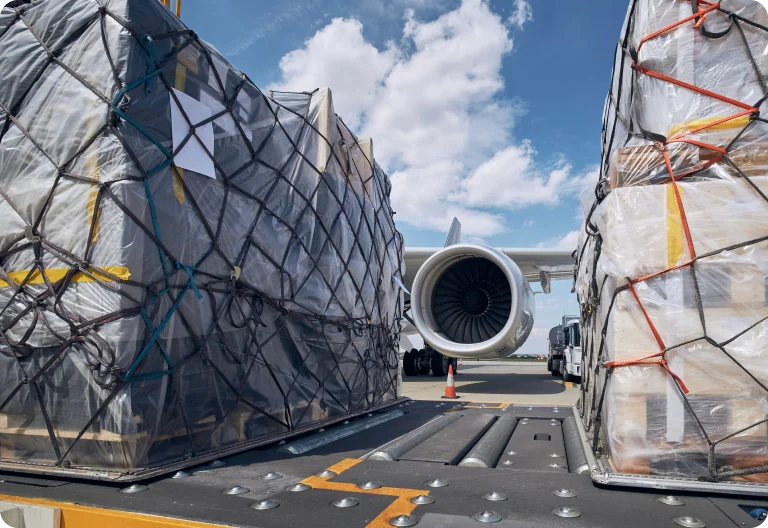
Why is managing logistics expenses such a headache these days? Every time you turn around, costs seem to be climbing. There are warehouse fees, rising fuel prices, or unexpected supply chain disruptions.
Warehousing costs are still climbing, averaging 2–5% yearly after recent spikes. So when disruptions happen, they hit margins hard—especially with poor planning and unstable supply chains.
Are you curious about what’s really driving up those costs and how to fix them? Keep reading. The solutions could be simpler than you think.
Managing Logistics Expenses in a Competitive Market
Keeping expenses in check has become more difficult as markets grow more demanding. With more pressure to meet fast delivery expectations, businesses face challenges like hiring drivers, managing inventory levels, and maintaining warehouse space. Without the right strategies, these issues can quickly drain resources. Finding ways to streamline operations and reduce logistics costs is key to staying competitive.
To manage rising logistic expenses effectively, businesses need to go beyond surface numbers and break costs into clear categories.
Why Categorizing and Calculating Logistics Costs Matters
Not all logistic costs are created equal. Breaking them down into clear categories helps businesses see where money is really going and where savings can be found.
- Clarity on spending – Separate warehousing, transportation, labor, and energy costs.
- Better comparisons – Spot which logistic expenses are rising the fastest.
- Targeted savings – Focus improvement strategies on categories with the biggest impact.
- Scalability – As operations grow, tracking costs by category keeps budgets accurate.
When you understand the categories driving logistic expenses, it becomes easier to control them.
Before diving into specific cost types, it helps to understand the difference between what you spend internally and what your providers charge you.
Logistics Costs vs. Pricing: What’s the Difference?
Logistics costs and logistics pricing are related but not the same thing, and mixing them up can lead to blind spots in your budget. Knowing the difference helps you get a more accurate read on where your money is actually going. Here is how each one breaks down:
- Logistics costs are the total expenses a business incurs to keep its supply chain running. This includes warehousing, transportation, labor, handling, inventory management, and third-party service fees — every expense from fuel to equipment maintenance.
- Logistics pricing is what your logistics providers charge you as the shipper for their transportation and handling services. It is one line item within your broader cost picture.
The rate you pay a logistics provider is just one piece of the full equation. To get an accurate view of your expenses, you need to account for both external provider charges and your own internal operational costs. That combination gives you the real number affecting your profitability.
Understanding the distinction between costs and pricing is what separates reactive budget management from strategic cost control.

The Rising Warehousing Costs
Warehousing expenses can either make or break your business. A slight increase might not be noticeable at first, but over time, those costs build up and start cutting into your bottom line. Depending on the type of warehousing cost, businesses can be affected in big or small ways, impacting both daily operations and long-term financial health. Let’s break down the types of warehousing costs and their causes.
Storage Fees
This refers to the expense of storing goods within a warehouse, typically charged per square foot or cubic meter.
The Cause:
Increased demand for space, especially with the rise of e-commerce and inventory management, pushes up these fees. When businesses hold more products to meet customer orders, they need more space. As a result, storage fees can increase, affecting overall logistics operations and making it harder to lower costs.
Labor Costs
This includes the wages paid to employees managing warehouse operations, from inventory handling to order fulfillment.
The Cause:
Higher wages, especially in markets where qualified labor is scarce, drive labor costs up. If a business relies on manual labor for tasks like picking, packing, and moving goods, these costs will continue to rise. This puts extra pressure on businesses to find ways to optimize their processes and avoid overstaffing, which would otherwise impact the overall logistics costs.
Fulfillment Costs
Fulfillment costs cover the expense of processing and shipping customer orders.
The Cause:
As e-commerce sales grow, the demand for fast order processing increases. This requires more staff, equipment, and technology, which leads to higher fulfillment expenses. Failure to control these costs may lead to delays, which could hurt customer satisfaction and drive up transportation and equipment expenses.
Energy Costs
These are the expenses related to powering and maintaining the warehouse, including heating, cooling, and lighting.
The Cause:
Rising energy prices, coupled with inefficient warehouse management systems, can lead to increased energy consumption. These indirect costs can be just as impactful as direct storage costs and need careful monitoring to ensure they don’t spiral out of control, adding to the total logistics costs.
Warehousing isn’t the only factor. Businesses also need to measure costs in two important groups: direct and indirect.
Calculating Direct and Indirect Logistics Costs
Direct costs include labor, storage, and transportation directly tied to moving goods. Indirect costs cover less obvious factors like energy use, technology systems, and compliance fees. For example, when fuel prices climb, transportation is the direct expense, but delays caused by those costs—like late deliveries—create indirect losses. Together, these direct and indirect logistic expenses give a fuller picture of supply chain health, helping businesses identify where logistic expenses can be optimized for better profitability.
Provider pricing is another layer of cost that sits on top of these internal expenses and deserves its own careful attention.
What Is Pricing in Supply Chain Logistics — and How Does It Affect Your Costs?
Logistics pricing is the rate your providers charge to move goods from one point to another, whether by truck, rail, ocean, or air. These rates are not arbitrary. They are calculated based on a defined set of variables that can shift with market conditions, capacity, and operational factors. Here is what drives them.
- Mode of Transport: Air, rail, truck, and ocean freight each carry different cost structures and rate volatility.
- Distance and Route: Longer hauls and deliveries to remote locations add fuel and time costs.
- Weight and Size: Carriers apply actual or dimensional weight, so bulky or heavy shipments generally cost more.
- Fuel Fluctuations: As fuel prices shift, surcharges on shipping rates follow.
- Seasonal Demand: Tight capacity during peak periods drives rates higher.
- Special Requirements: Temperature control, hazardous goods handling, or expedited delivery all carry a premium.
Providers set rates through negotiated contracts for predictable volume, spot quotes for immediate needs, or dynamic pricing tied to real-time market demand. These rates are not fixed — they respond to global shipping trends and current operational conditions.
Provider pricing is only part of the full cost picture. Rising rates also create downstream effects, influencing storage requirements, labor allocation, and customer satisfaction. Tracking these rates and understanding what drives them helps businesses build smarter strategies for negotiations, cost control, and budget forecasting.
Efficient Planning and Forecasting
Efficient planning and forecasting are essential for reducing unnecessary expenses and improving operations. Businesses that plan ahead are better equipped to manage demand, avoid delays, and handle costs related to shipping and logistics—helping control logistic expenses. Below is a step-by-step guide to help companies improve their forecasting processes and ensure smoother operations.
Step 1: Use Predictive Analytics
Implement predictive tools to anticipate demand based on historical data and trends. This helps reduce excess inventory and keeps your supply chain lean.
Step 2: Refine Order Management
Optimize your order management system to streamline outbound logistics and prevent over-ordering. Automated systems help reduce errors and lower costs by ensuring you only stock what’s needed.
Step 3: Collaborate with Third-Party Logistics Providers (3PL)
Partner with a reliable third-party logistics service provider for better visibility into transportation costs and overall operations. 3PLs can handle complex logistics tasks, allowing your business to focus on core activities.
Step 4: Improve Supplier Communication
Strengthen communication with suppliers to better align raw materials delivery with production needs. This minimizes delays and avoids the high costs associated with last-minute orders or shortages.
Step 5: Track and Measure Performance
Continuously track key metrics such as delivery and transportation costs and overall supply chain performance. Regular measurement ensures that you can spot inefficiencies early and adjust your strategy to reduce ongoing expenses.
Step 6: Implement Real-Time Inventory Monitoring
Use real-time inventory systems to ensure stock levels are always accurate. This helps avoid stockouts and reduces the risk of holding excess stock, which drives up storage and handling costs.
Step 7: Adjust Forecasting Models Regularly
Review and update your forecasting models based on new data, including seasonal fluctuations and changing market conditions. This ensures your predictions are always aligned with current trends and business needs.
Breaking down costs into direct vs. indirect shows why some expenses are easy to track, while others often go unnoticed.
Understanding Direct vs. Indirect Logistics Costs
It’s easy to focus on the obvious costs in your supply chain, but indirect ones often cause the biggest surprises. These hidden logistic expenses can quietly affect budgets and performance. Here’s how they stack up side by side.
| Direct Logistics Costs | Indirect Logistics Costs |
| Labor wages | Energy consumption |
| Shipping rates | IT systems & software |
| Warehouse rent | Supplier delays |
| Packaging materials | Downtime from inefficiencies |
Both types of logistic expenses need equal attention. Neglecting indirect costs often leads to bigger surprises when disruptions happen.
Unprecedented Supply Chain Management Difficulties
Managing supply chains has never been more challenging than it is now. Businesses face new, unexpected obstacles that disrupt operations, making it harder to meet customer demands. These supply chain management difficulties can significantly impact profits, if not addressed properly.
Here are the key difficulties businesses face in supply chain management:
- Rising shipping costs due to increased demand and limited availability of carriers.
- Unpredictable lead times caused by global disruptions and supplier delays.
- Limited warehouse space and rising fees, putting pressure on storage and inventory management.
- Vehicle maintenance and fuel costs increase with more frequent and longer routes.
- Difficulty forecasting demand, leading to overstock or stockouts.
- Labor shortages affecting the efficiency of day-to-day operations.
- Complex logistics processes that require continuous adjustments to keep up with market changes.
To keep logistic expenses under control, businesses must track the right performance indicators.
Identify and Monitor Key Logistics KPIs
Numbers don’t lie. Tracking the right logistics KPIs helps you control expenses, boost performance, and spot inefficiencies before they become costly.
- Cost per Shipment – Tracks overall efficiency in moving goods.
- Order Accuracy Rate – Measures fulfillment quality to avoid costly rework.
- Inventory Turnover – Shows how quickly stock moves through the warehouse.
- On-Time Delivery Percentage – Reflects carrier reliability and planning accuracy.
- Warehouse Utilization – Ensures space is being used effectively, not wasted.
Monitoring these KPIs gives businesses visibility into rising logistic expenses and the insight needed to respond faster.
Supply Chain Inefficiencies That Are Stealing the Profits
Many businesses don’t realize just how much inefficiencies in their supply chain are cutting into profits. Small issues add up, and without the right strategy, they can significantly impact your bottom line. Here’s a look at common supply chain inefficiencies and practical solutions to help resolve them.
| Problem | Solution |
| High shipping costs | Optimize routes and consolidate shipments to lower expenses. Use transportation management systems to streamline processes. |
| Inventory imbalances | Implement real-time inventory tracking to avoid overstock or stockouts. Use demand forecasting tools for better planning. |
| Long lead times | Build stronger relationships with suppliers and invest in backup suppliers to reduce the risk of delays. |
| Rising warehouse fees | Regularly audit space utilization and consider outsourcing storage to third-party providers if in-house management becomes too costly. |
| Unplanned vehicle maintenance | Implement preventive maintenance programs to reduce downtime and repair costs. Use telematics to track vehicle health. |
| Labor inefficiencies | Automate repetitive tasks in a warehouse and order management. Offer staff training to improve productivity. |
| Ineffective order fulfillment | Streamline fulfillment processes by using automated systems to reduce manual errors and improve speed. |
| Poor demand forecasting | Use predictive analytics and historical data to forecast demand more accurately, reducing excess inventory and missed sales opportunities. |
By addressing these supply chain inefficiencies, businesses can significantly improve performance and protect their profits.
One challenge businesses often overlook is scalability—how well your logistics adapts as you grow.
The Power of Scalability in Logistics Management
When businesses expand without scalable systems, costs multiply quickly. Manual processes, over-reliance on one warehouse, or outdated carrier contracts all cause logistic expenses to rise. The solution lies in flexible logistics management—using scalable software, multi-warehouse networks, and adaptable partnerships. Scalable strategies reduce waste, control logistic expenses long-term, and ensure operations grow without losing profitability.
Get Expert Consulting for Your Supply Chain Challenges
Managing logistics expenses is one of the most persistent pressures small and mid-sized businesses face, and it rarely gets easier without the right support in place.
Supply Chain Solutions works with businesses to identify the root causes of rising logistics expenses and build strategies that reduce waste, improve forecasting, and strengthen operations over time. Our consultants focus on practical improvements that show up in your bottom line.
Get in touch with our team today to start cutting costs where it counts.
