

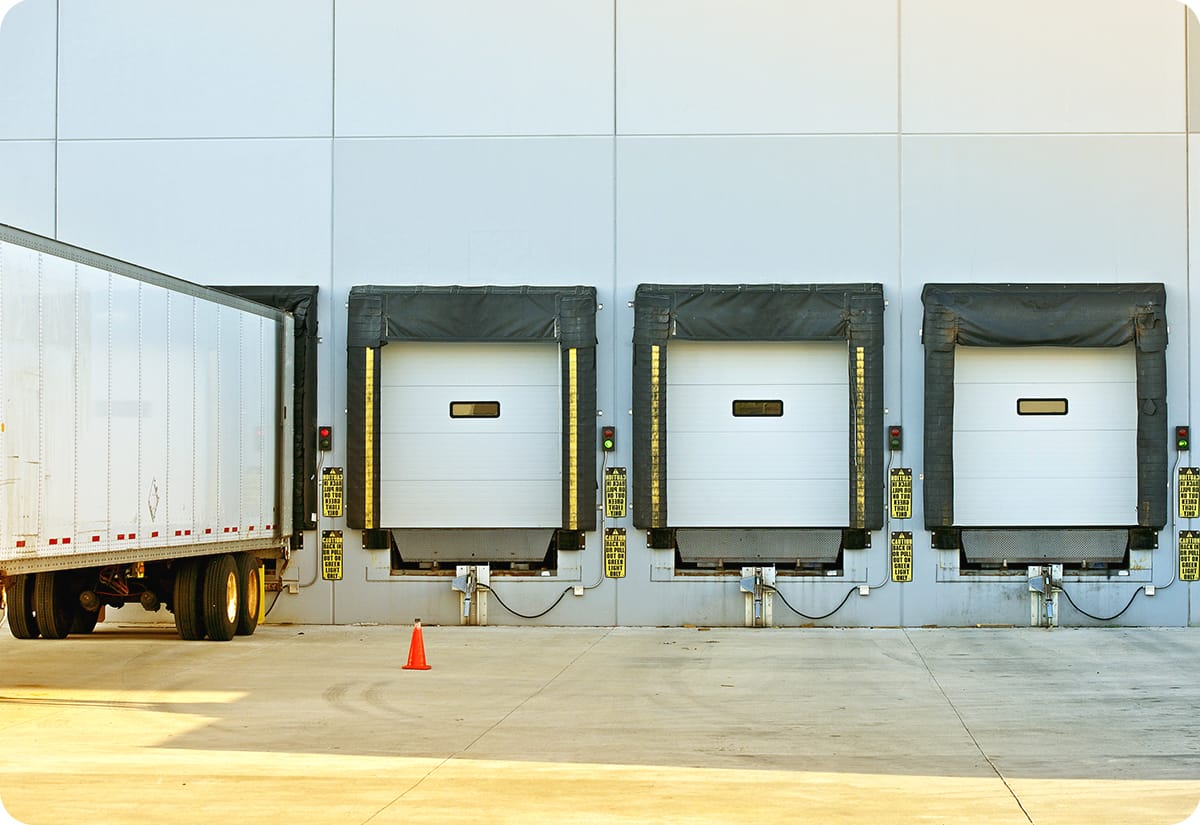
A trailer sitting in the yard waiting for a dock assignment isn’t just a scheduling inconvenience. It’s detention costs accumulating, carrier relationships taking a hit, and warehouse throughput falling behind. These are the kinds of delays that yard management is designed to prevent. When the systems connecting transportation and warehouse operations are structured and visible, teams can move freight faster and with fewer disruptions.
Research backs this up — effective yard management can improve workforce efficiency by 25 to 30 percent. This blog covers how that coordination works, where it commonly breaks down, and how businesses can build better flow across their yard and warehouse operations.
What is Yard Management in Modern Logistics Operations?
In modern logistics operations, the yard controls how trailers move between transportation and warehouse operations. It connects inbound and outbound flow across the supply chain, determining how quickly each shipment reaches the dock and how well carrier schedules are maintained. As a control point between carriers, transportation management, and warehouse management, the yard directly affects how efficiently it operates.
It coordinates trailer movement, dock scheduling, and capacity across yard operations and the warehouse. When these elements are misaligned, disruptions build quickly:
- Congestion at the dock and yard
- Increased dwell time and higher detention costs
- Bottlenecks that slow throughput across operations
Without structured coordination, these issues spread across the distribution center, creating delays and increased detention between transportation and warehouse processes.
Teams rely on real-time tracking to monitor each trailer, yard activity, and respond before issues escalate.
Effective yard management helps teams automate coordination, improve efficiency in trailer utilization, support better transportation management decisions, and improve coordination with each carrier across operations. Once trailers reach the dock, maintaining flow depends on how warehouse operations handle timing and execution.
How Warehouse Management Improves Coordination Across Operations
Once a trailer reaches the dock, warehouse management determines whether the flow continues or stops. Even with strong upstream coordination, poor warehouse timing disrupts flow across the entire supply chain and reduces overall performance. This coordination is critical to inventory management, where timing directly affects throughput, dock utilization, and management outcomes.

Warehouse management depends on the following core areas:
Execution and Dock Readiness
Warehouse teams must align preparation with arrival times. If inventory is not staged correctly, trailers wait at the dock, increasing dwell time, detention, and reducing efficiency for carriers. This misalignment affects both logistics operations and supply chain operations, especially in high-volume environments.
Workflow Coordination with Schedules
Workflows must adjust to real conditions. Static planning fails when arrivals shift, creating gaps between dock availability, handling capacity, and carrier arrival timing. This is where best practices in scheduling and gate management help maintain control across the dock and yard.
Visibility and Communication Across Systems
Teams need real-time visibility into yard operations and warehouse activity to stay aligned. Without it, communication becomes manual, slowing response times and creating errors. Systems like yard management technology and WMS support streamlining operations by reducing reliance on manual updates and disconnected workflows.
These gaps reflect broader supply chain challenges and cannot be resolved within the warehouse alone. They depend on how coordination is managed across connected systems.
SCS Pro Tip: Improving Coordination Across Operations
Improving coordination requires a structured yard management process that connects planning with execution across operations. Without it, teams rely on manual checks and disconnected workflows that reduce control across logistics operations.
To improve coordination:
- Replace manual checks with standardized processes
- Use technology to track movement and provide insights into yard conditions
- Monitor assets in the yard and adjust yard capacity in real time
- Enable the yard manager to control the dock and yard and keep workflows aligned
The right yard management system supports efficient management, helping teams optimize performance and improve yard efficiency. This is where partners like Supply Chain Solutions help put these systems into place.
But it is important to note that these improvements are often limited by persistent yard management challenges across operations.
Common Supply Chain Challenges That Disrupt Coordination
Coordination issues build across the distribution center when systems lack a clear operational view across logistics operations. These supply chain challenges affect how transportation and warehouse processes stay aligned and directly impact overall performance.
The most common breakdowns appear in the following areas:
- No clear view of what’s happening in the yard. When teams can’t see where trailers are or what status they’re in, dock scheduling becomes guesswork. Freight sits longer than it should and carriers feel it.
- Schedules that don’t reflect reality. Carrier arrivals shift. When planning doesn’t account for that, congestion builds at the dock and detention costs follow. A schedule that looked reasonable in the morning can fall apart by noon.
- Warehouse teams that aren’t ready when freight arrives. If the warehouse isn’t staged and prepped for inbound flow, trailers wait. That wait doesn’t just affect one shipment — it backs up everything behind it.
- Too much reliance on manual communication. Phone calls, radio check-ins, and spreadsheets slow everything down. By the time information reaches the right person, conditions have already changed.
- Systems that don’t talk to each other. When the yard management system, WMS, and TMS operate independently, teams are constantly reconciling data instead of acting on it. Coordination suffers because no one has the full picture at the same time.
These issues rarely stay contained to one area. A delay in the yard becomes a dock backup. A dock backup slows warehouse throughput. And by the time the impact is visible, it’s already moved through multiple parts of the operation.
Addressing these issues requires structured systems that connect planning with execution across operations.
Practical Ways to Improve Coordination Across Yard, Warehouse, and Transportation
Fixing coordination requires a structured management process that connects planning with execution across the supply chain. The focus shifts from reacting to issues to managing flow across transportation and warehouse processes using systems that provide visibility and control.
The following best practices help streamline and improve coordination:
1. Set Schedules Based on Actual Capacity
Dock scheduling should reflect real warehouse capacity, trailer volume, and carrier arrival patterns. Aligning schedules with actual conditions reduces congestion, improves utilization, and minimizes detention. This supports better inventory management and stabilizes flow across the distribution center.
2. Control Entry, Movement, and Gate Flow
Strong gate management improves how trucks and trailers move across the dock and yard. Managing entry points, sequencing, and yard capacity helps reduce bottlenecks, minimize detention, and improve throughput.
3. Maintain Real-Time Visibility Across Operations
Systems must provide real-time visibility into trailer status, shipment movement, and yard activities. This level of visibility helps teams optimize decisions and maintain alignment across the warehouse, transportation, and carrier activity.
4. Align Warehouse Workflows with Live Conditions
Warehouse management processes should adjust based on live conditions. Flexible workflows improve throughout, reduce dwell time, and prevent delays in inbound and outbound processing. This alignment supports more consistent execution,
5. Standardize Communication and Automate Updates
Reducing reliance on manual updates is critical to improving coordination. Teams should automate updates across systems to replace manual communication and reduce errors. This supports operational efficiency, improves response time, and helps maintain control.
These changes strengthen execution and reduce inefficiencies. With the right yard management approach and modern yard management technology, teams can optimize supply chain performance and strengthen supply chain resilience.
Consistent execution across systems helps eliminate delays and improve supply chain efficiency.
Improve Coordination Across Your Logistics Operations
Coordination across your yard, warehouse, and transportation teams becomes harder to handle as volume increases. Teams struggle to manage yard activity alongside changing schedules and shipment demands. These are common supply chain challenges that come from how execution is structured across operations.
Supply Chain Solutions helps businesses align planning, visibility, and execution across operations. By connecting systems and processes, teams can reduce delays, improve flow, and improve efficiency as complexity grows.
If you are looking to improve coordination and stabilize performance, start by evaluating how your current process supports execution across operations. Reach out to our team to start the conversation.
